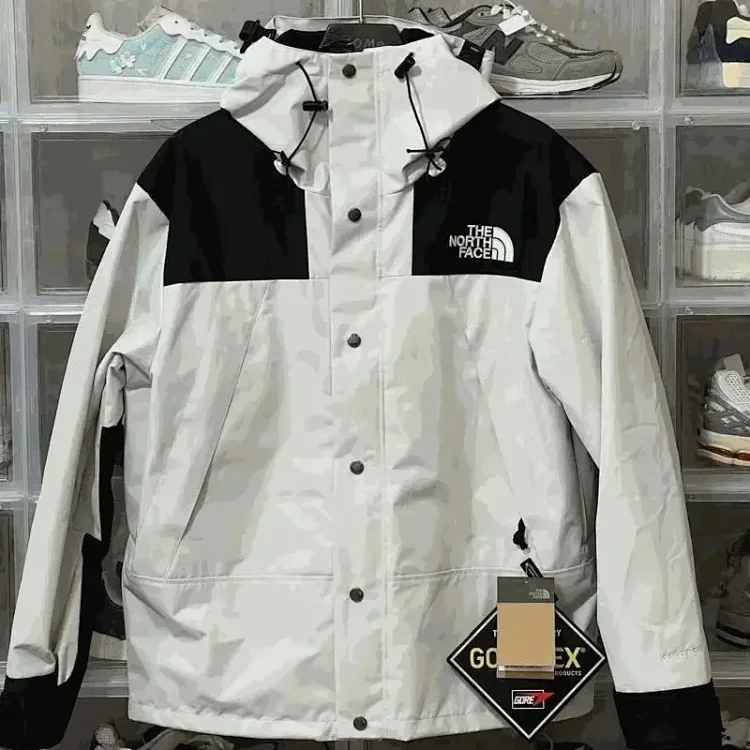
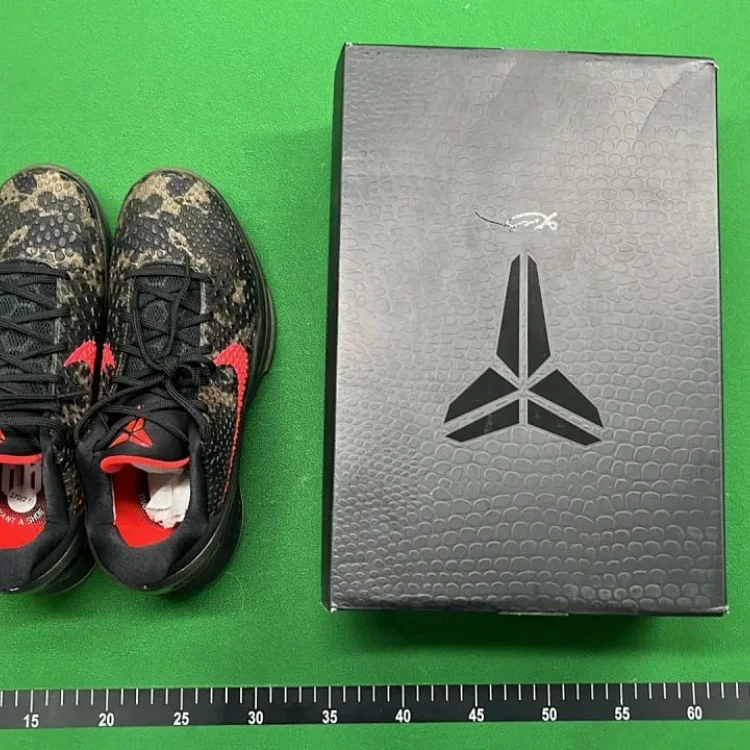
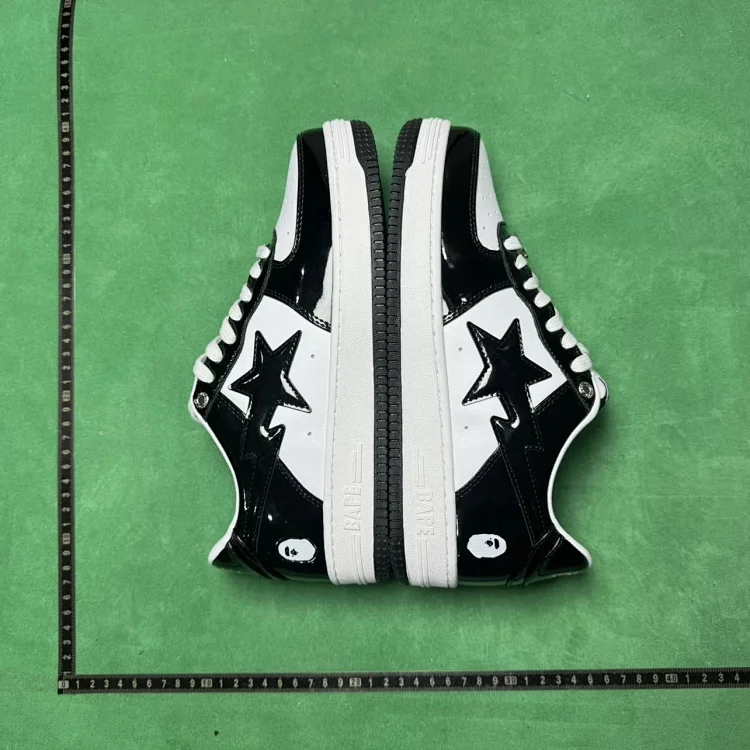
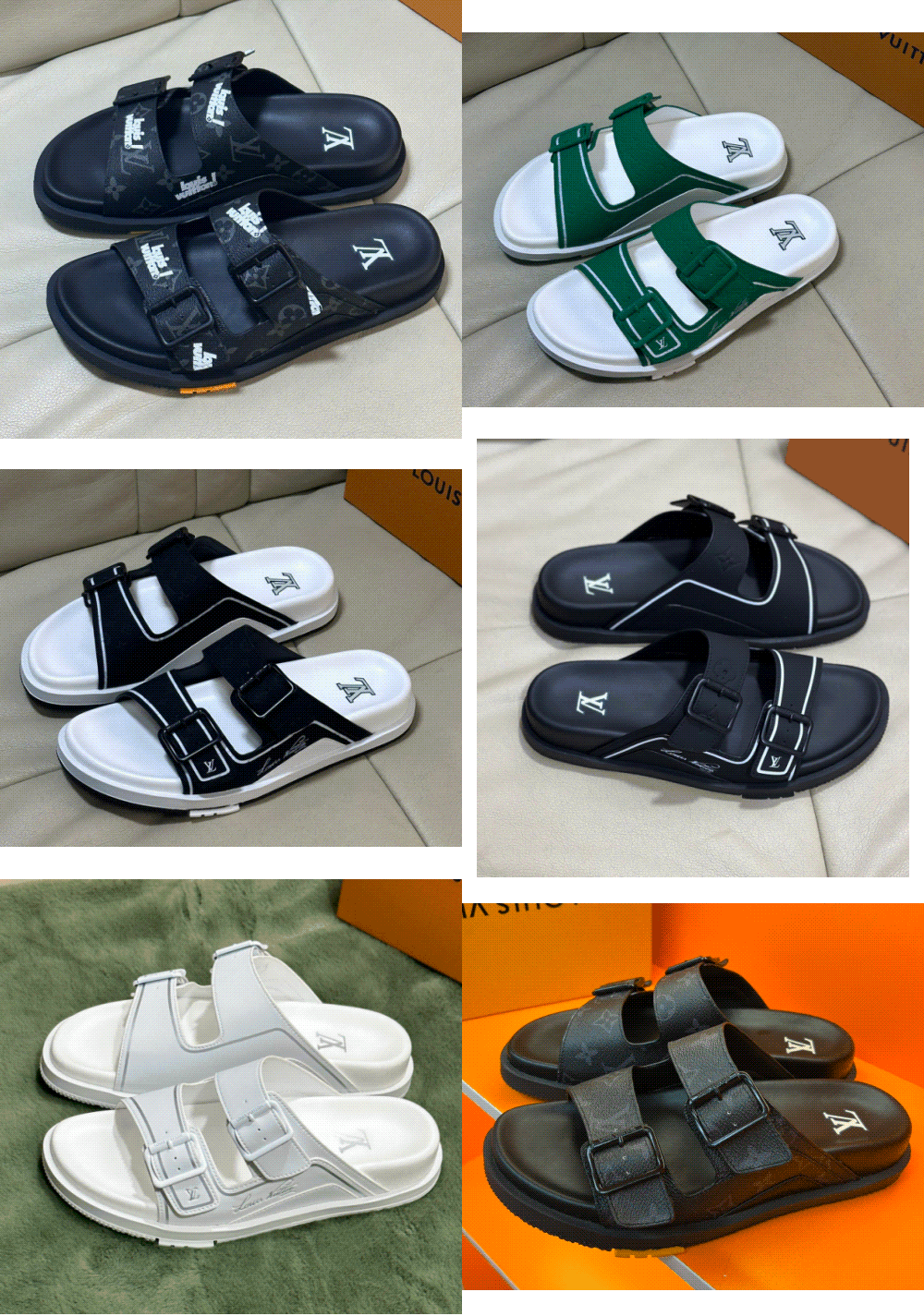
LoloBuy shipping begins after goods are stored in the warehouse. The buyer selects stored items, submits a parcel, chooses an address and line, fills declaration information and pays international freight. That is separate from the earlier item payment.
A shipping calculator guide should therefore explain estimated weight, real packed weight, route restrictions, tax method, supplemental payments and after-sales risk. It should not promise a single cheapest line for every haul.
LoloBuy Shipping Calculator Guide comparison checklist
| Research area | Better practice | Weak practice |
|---|---|---|
| Estimated weight | Used before packing for freight calculation. | Final guarantee of actual charge. |
| Real weight | Measured after parcel packing. | Known before warehouse packing. |
| Route choice | Depends on country, category, weight and restriction. | Chosen by price alone. |
| Customs risk | Affected by value, weight, quantity and local rules. | Removed by any spreadsheet or coupon. |
Separate item cost from parcel cost
What the official workflow shows
The official purchase process separates item payment and China domestic delivery from international parcel payment. This is the first thing a shipping guide must explain. A buyer can finish the product order and still not know the final landed cost until items are stored, packed and assigned to a route.
How to use it in a spreadsheet decision
A useful calculator workflow starts before purchase. Estimate category weight, understand whether the item is bulky or fragile, and check whether similar products have route limits. The spreadsheet can provide estimated packed weight so buyers do not build a parcel blindly.
Understand estimated weight and real weight
What the official workflow shows
Official logistics help distinguishes estimated weight from real packed weight. Estimated weight is used during parcel submission; real weight is measured after packing. If the real cost differs, LoloBuy may refund differences or request supplemental payment depending on route rules and the size of the difference.
How to use it in a spreadsheet decision
This matters for shoes, jackets, bags and multi-item hauls. Packaging, box removal, simple packing and value-added services can change the billable result. A guide should tell users to compare fee detail, not just the first quote.
Plan declaration and customs risk
What the official workflow shows
Official customs guidance says buyers can face taxation, return, confiscation or clearance issues depending on destination rules and parcel profile. Weight, declared value, repeated items and sensitive categories can increase risk. A good shipping guide should not promise tax-free delivery.
How to use it in a spreadsheet decision
The EU policy notice on LoloBuy also shows why current customs information matters. Rules can change by date and region. Buyers should check official notices before shipping to countries with active tax or customs changes.
Connect shipping to after-sales evidence
What the official workflow shows
After-sales documents describe parcel return, loss, damage and claim windows. The buyer should keep parcel photos, tracking, declaration data, route name, shipping fee detail and delivery screenshots. If a claim is needed, vague statements are not enough.
How to use it in a spreadsheet decision
This is why the shipping calculator page should link to QC and after-sales guides. Shipping is not just a price comparison. It is the point where warehouse evidence becomes international logistics evidence.
Editorial method for this guide
Official facts used
This LoloBuy Shipping Calculator Guide article uses LoloBuy's visible public workflow as the baseline: the buyer starts from a marketplace source, submits the item through LoloBuy, pays the item and China domestic delivery first, waits for the agent purchase, reviews warehouse inspection, and only then submits international shipping. That sequence matters because many weak guides discuss "best finds" or "cheap shipping" as if the product page is enough. In practice, the useful decision is whether the source, warehouse evidence, weight, declaration exposure and after-sales window still support the order.
How the official material was rewritten
The official pages explain service rules from the platform's point of view. This guide rewrites those rules from a buyer-research point of view, so each section turns a policy into a row, checklist or comparison field. For example, a statement about standard inspection becomes a QC-evidence column; a note about real packed weight becomes a shipping-risk column; a notice about payment channels becomes a date-stamped update field. The goal is not to repeat LoloBuy's wording, but to make the official operating details usable before the buyer commits money.
How to apply it before payment
Before using any product link, compare the row against three questions: does the original listing still show the exact item option, does the item fit a realistic parcel and route, and would the warehouse evidence be enough to support a return, exchange or after-sales request if something goes wrong? If the answer is unclear, keep researching instead of relying on a social post or coupon claim. The best spreadsheet entry is one that still makes sense after the official LoloBuy order, QC and shipping steps are considered together.
Internal research paths
Use this guide together with the LoloBuy catalog, QC guide, shipping guide, shoe finds, hoodie finds and accessory finds. The goal is to move from article research into product-level evidence before money is committed.
For current platform behavior, always compare this independent research with the official LoloBuy notice center and help center before payment or parcel submission. Payment channels, logistics restrictions, customs rules and warehouse service details can change.