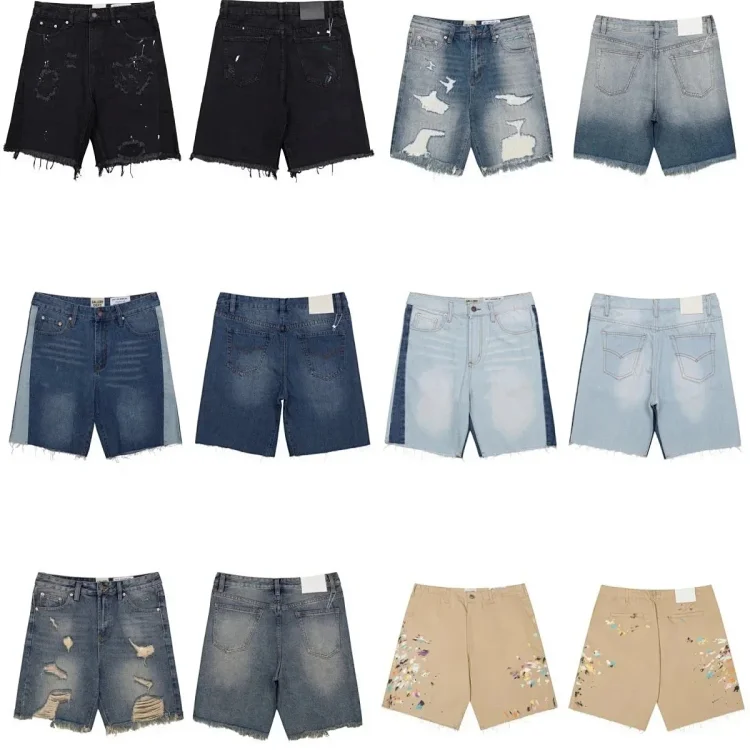
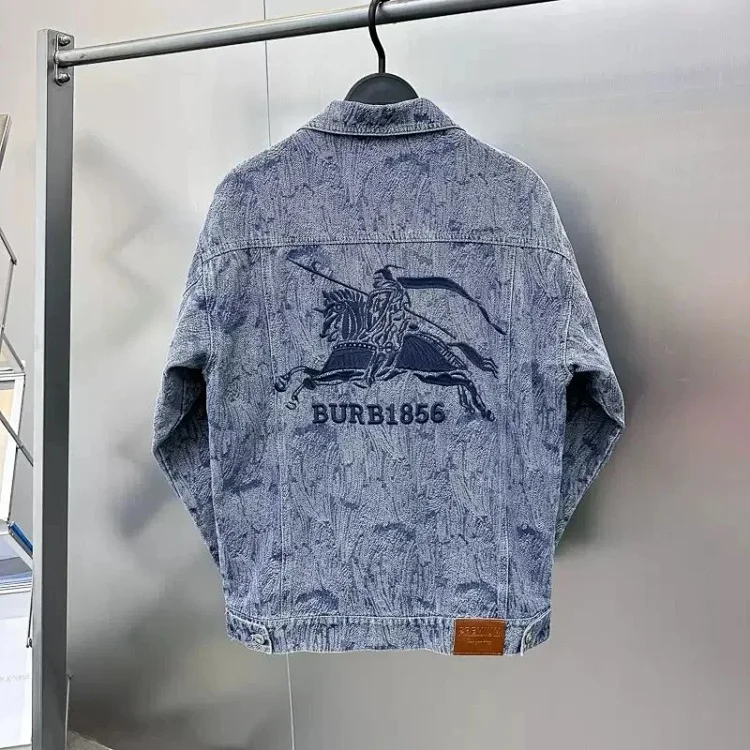
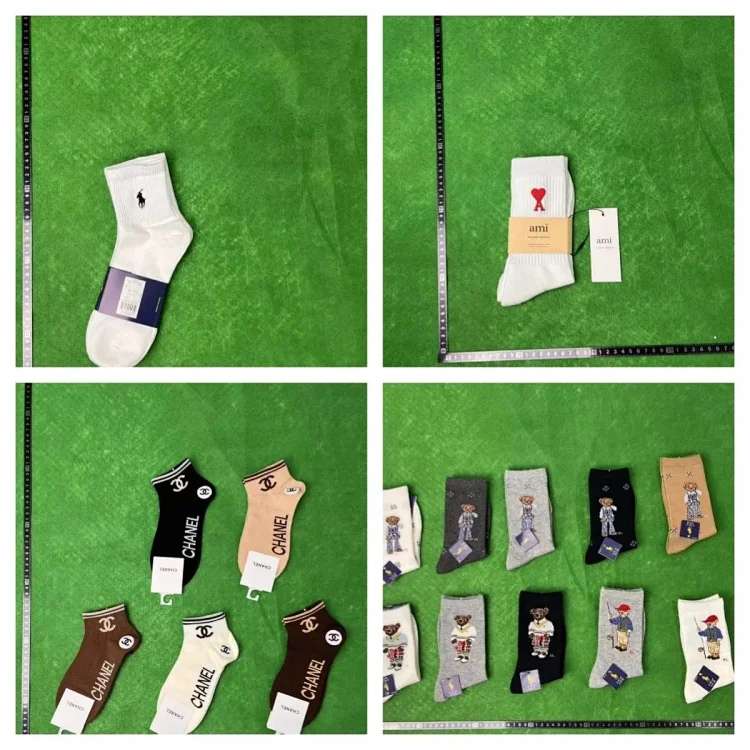
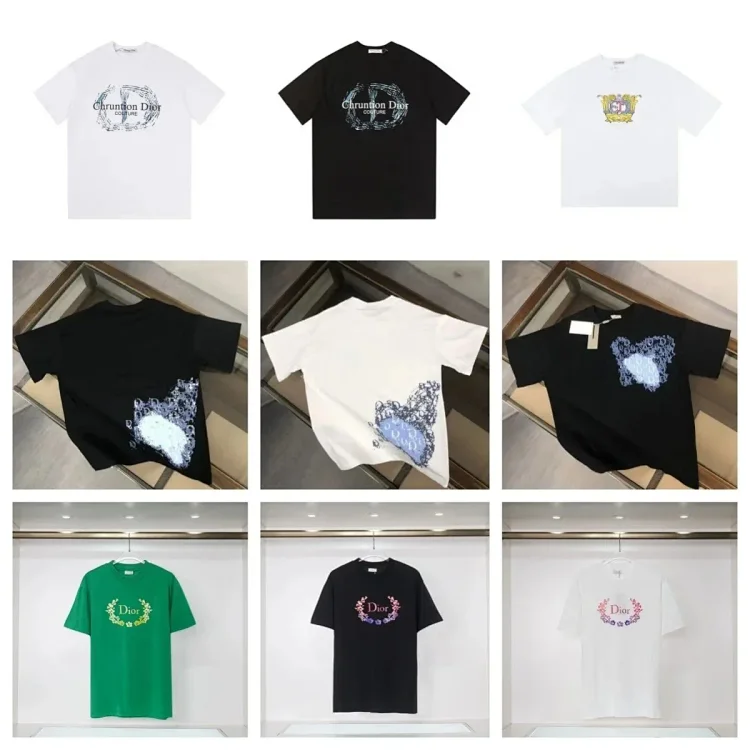
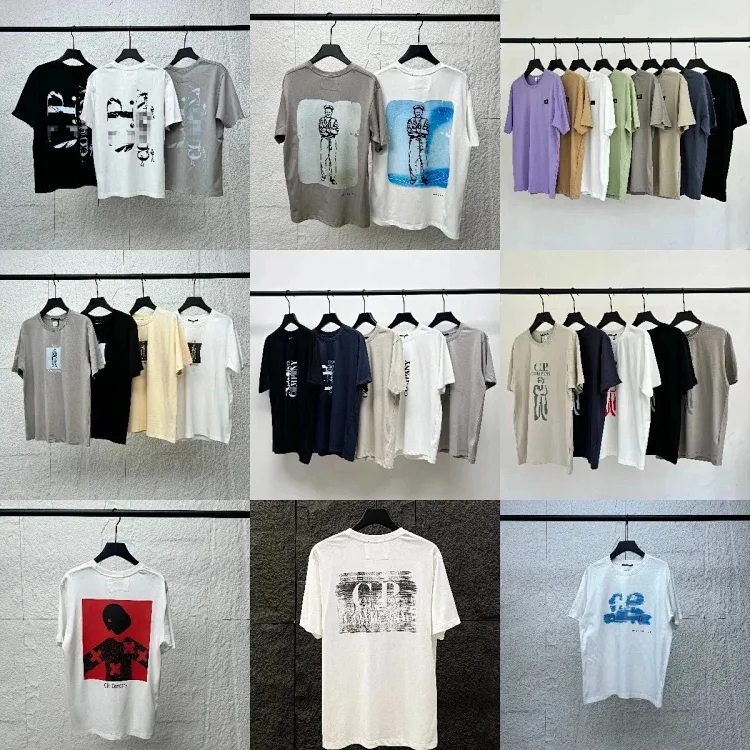
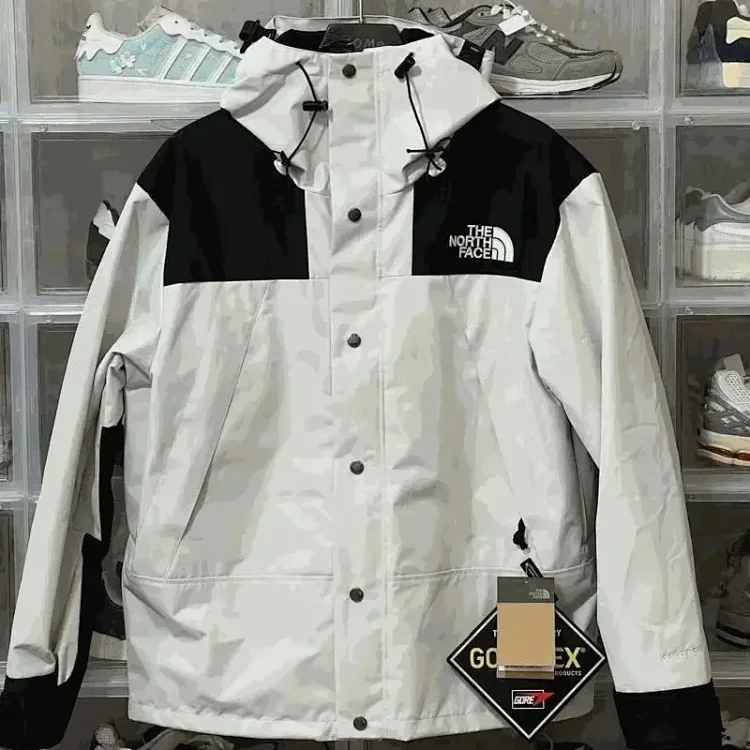
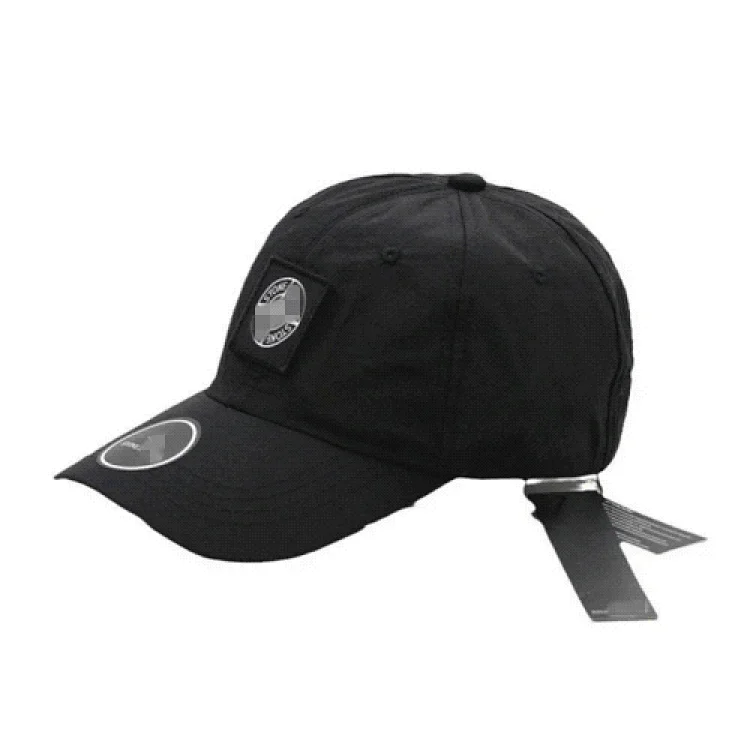
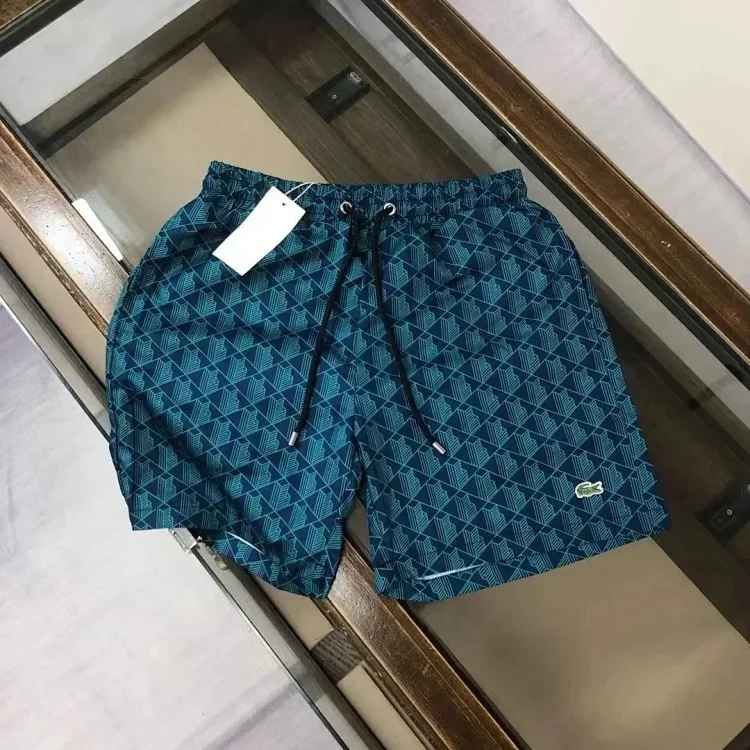
Good LoloBuy finds are not simply products that look popular on social media. The official workflow creates practical filters: can the product link be parsed, can the option be identified, can warehouse QC verify the important details, can the item be shipped through a suitable route, and can the buyer handle return or customs risk if something goes wrong.
A curated finds page should therefore behave like a research desk. It should compare products by source clarity, QC risk, category, estimated weight and shipping suitability. This is especially important because LoloBuy can purchase from multiple Chinese marketplaces and sellers, while the platform itself is not the seller of every listed item.
LoloBuy Spreadsheet Finds comparison checklist
| Research area | Better practice | Weak practice |
|---|---|---|
| Find quality | Clear URL, option, category, weight and QC target. | Only a product name or image. |
| Seller risk | Source can be opened and checked again. | Dead listing or hidden seller context. |
| Warehouse fit | Visible details can be verified in QC photos. | Risk depends on sealed or untestable features. |
| Parcel fit | Weight and restrictions are reasonable. | Heavy, fragile or repeated items with no route plan. |
Start with source clarity
What the official workflow shows
LoloBuy's official purchase guide says users can paste links from platforms such as Taobao, Tmall, JD.com, Yupoo and Weidian. That support is useful only when the source link stays attached to the find. A spreadsheet-worthy find should let the buyer go back to the source page, compare option names and confirm whether the marketplace page still looks active.
How to use it in a spreadsheet decision
When parsing fails, LoloBuy can require manual order details. This makes source clarity even more important. If the original page has multiple colors, sizes or bundles, the find should not be published as a vague title. It should store the exact option, screenshots when useful and any note needed for the agent.
Judge finds by what QC can prove
What the official workflow shows
The official standard inspection service focuses on visible checks. For a find to be reliable, the important buying decision should be visible in warehouse photos. If the risk depends on electronics performance, authenticity, hidden materials or sealed components, the find should be marked as higher risk. This does not mean the product cannot be bought, but the buyer should know what the standard photos can and cannot prove.
How to use it in a spreadsheet decision
For clothing and footwear, QC can still be valuable. A good find note tells the buyer to check size labels, color, visible damage, stitching, print placement, sole shape or model differences. That turns the warehouse stage into a planned review rather than a surprise.
Filter finds by shipping and customs fit
What the official workflow shows
Official logistics guidance warns that parcel weight, value, restricted items and repeated quantities can affect customs risk. A find spreadsheet should not encourage buyers to stack many identical items without explanation. If a product is heavy, fragile, liquid, battery-related or brand-sensitive, the row should carry a shipping caution.
How to use it in a spreadsheet decision
The best finds are therefore boring in the right ways: clear source, manageable weight, visible QC targets, normal category, recent checked date and a reasonable reason to choose the item. This is better for users and stronger for SEO than publishing every trending product without context.
Use alternatives instead of single-item dependency
What the official workflow shows
Marketplace sellers can change stock, price, photos and options. LoloBuy may also need confirmation if the submitted price or product title does not match the seller page. A useful finds page should link to similar category items so a buyer is not dependent on one fragile listing.
How to use it in a spreadsheet decision
This is why category pages matter. Shoes, hoodies, pants, accessories and other groups help users compare options inside the same shipping and QC profile. The find is the starting point; the category gives the buyer a fallback path.
Editorial method for this guide
Official facts used
This LoloBuy Spreadsheet Finds article uses LoloBuy's visible public workflow as the baseline: the buyer starts from a marketplace source, submits the item through LoloBuy, pays the item and China domestic delivery first, waits for the agent purchase, reviews warehouse inspection, and only then submits international shipping. That sequence matters because many weak guides discuss "best finds" or "cheap shipping" as if the product page is enough. In practice, the useful decision is whether the source, warehouse evidence, weight, declaration exposure and after-sales window still support the order.
How the official material was rewritten
The official pages explain service rules from the platform's point of view. This guide rewrites those rules from a buyer-research point of view, so each section turns a policy into a row, checklist or comparison field. For example, a statement about standard inspection becomes a QC-evidence column; a note about real packed weight becomes a shipping-risk column; a notice about payment channels becomes a date-stamped update field. The goal is not to repeat LoloBuy's wording, but to make the official operating details usable before the buyer commits money.
How to apply it before payment
Before using any product link, compare the row against three questions: does the original listing still show the exact item option, does the item fit a realistic parcel and route, and would the warehouse evidence be enough to support a return, exchange or after-sales request if something goes wrong? If the answer is unclear, keep researching instead of relying on a social post or coupon claim. The best spreadsheet entry is one that still makes sense after the official LoloBuy order, QC and shipping steps are considered together.
Internal research paths
Use this guide together with the LoloBuy catalog, QC guide, shipping guide, shoe finds, hoodie finds and accessory finds. The goal is to move from article research into product-level evidence before money is committed.
For current platform behavior, always compare this independent research with the official LoloBuy notice center and help center before payment or parcel submission. Payment channels, logistics restrictions, customs rules and warehouse service details can change.