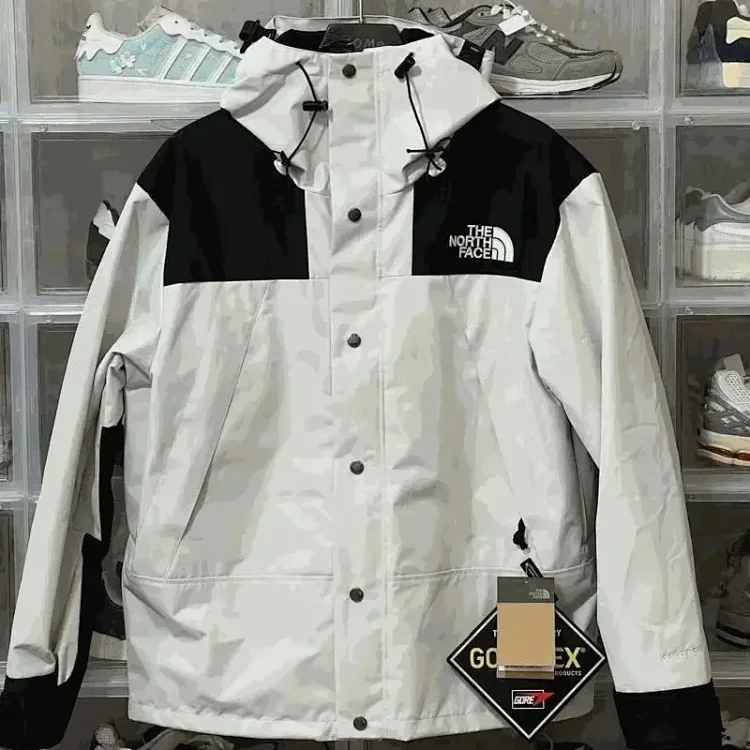
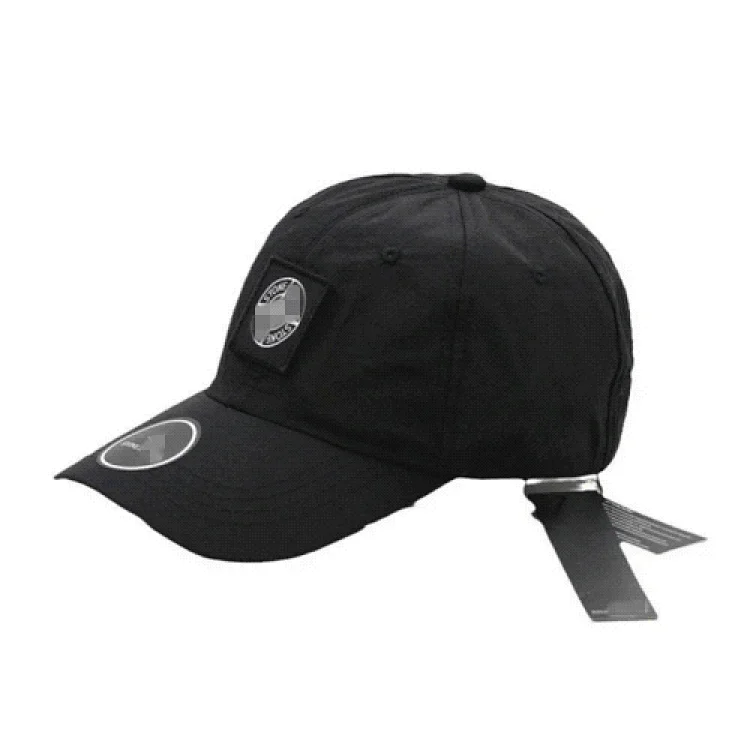
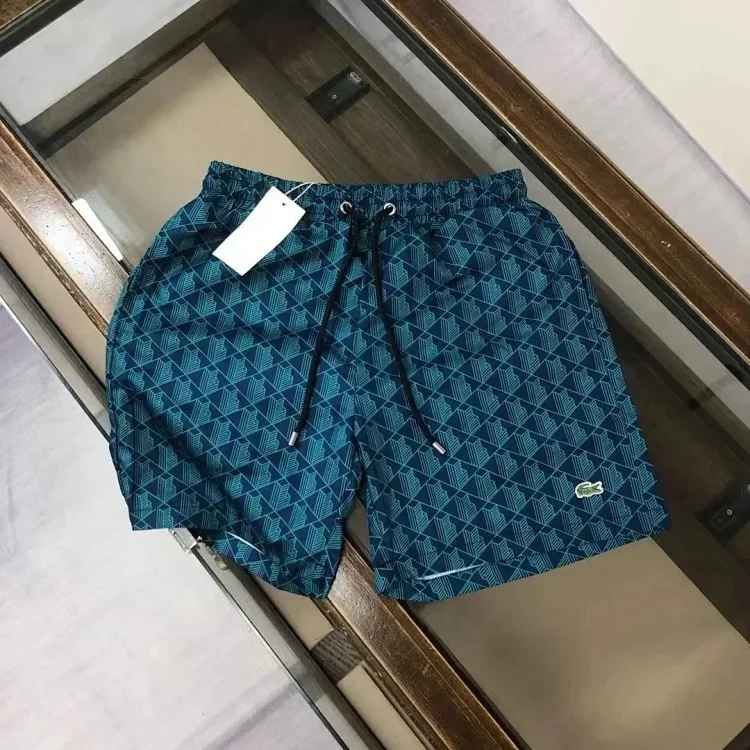
A practical LoloBuy review should judge the service by the whole workflow, not only by the checkout page. The official process includes sourcing, order payment, agent purchasing, domestic shipping to warehouse, inspection, storage, parcel submission, international route choice and after-sales handling.
That structure is useful for buyers who want access to Chinese marketplaces. It also creates responsibilities: the buyer has to select accurate options, read QC photos, choose a suitable shipping line, declare reasonably and keep evidence for after-sales.
LoloBuy Review 2026 comparison checklist
| Research area | Better practice | Weak practice |
|---|---|---|
| Strong point | Centralizes sourcing, QC, warehouse and parcel submission. | Does not replace buyer research. |
| Cost point | 0 purchasing service fee is promoted in help material. | International freight and value-added fees still matter. |
| QC point | Visible inspection and photos can catch mismatches. | Not full authentication or hidden testing. |
| Risk point | Official policies describe returns and compensation. | Claims have validity windows and exclusions. |
What LoloBuy does well
What the official workflow shows
LoloBuy's value is workflow consolidation. Instead of contacting multiple Chinese sellers directly, a buyer can paste links, pay for items, let the agent purchase, wait for warehouse inspection and combine items into one international parcel. This is especially useful when source marketplaces are difficult for overseas buyers to use directly.
How to use it in a spreadsheet decision
The official service pages also emphasize standard QC, photos, storage and customer service. These features are practical because most international buyers need to see what arrived before paying for overseas shipping.
Where buyers still need discipline
What the official workflow shows
The platform cannot make a weak source strong. If the product listing is vague, the option is unclear or the seller changes stock, the buyer must manage that risk. LoloBuy can ask for confirmation, but a spreadsheet with source notes and screenshots reduces confusion.
How to use it in a spreadsheet decision
Shipping also requires discipline. The cheapest route may not be suitable for a heavy, fragile or sensitive item. A review should recommend comparing route rules, declared value, package weight and after-sales coverage before submitting a parcel.
Cost review: more than the product price
What the official workflow shows
Official notices show payment methods and processing fees can change. The buyer should track item price, domestic freight, international freight, payment fee, value-added services, tax method and supplemental payments. Reviewing LoloBuy only by item price misses the actual decision.
How to use it in a spreadsheet decision
This is where a spreadsheet becomes useful. It can store expected weight, fee notes and parcel outcomes so future buyers have more realistic expectations.
After-sales review
What the official workflow shows
Official after-sales guidance asks users to apply within stated windows and provide evidence such as product and parcel photos. Claims can be limited by recipient mistakes, customs clearance problems, delivery records, force majeure and missing proof. A fair review should describe those limits instead of presenting after-sales as automatic compensation.
How to use it in a spreadsheet decision
The strongest review evidence includes source URL, order record, QC photos, parcel details, tracking and the final delivery result. That is why this site links review content back to catalog rows and product notes.
Editorial method for this guide
Official facts used
This LoloBuy Review 2026 article uses LoloBuy's visible public workflow as the baseline: the buyer starts from a marketplace source, submits the item through LoloBuy, pays the item and China domestic delivery first, waits for the agent purchase, reviews warehouse inspection, and only then submits international shipping. That sequence matters because many weak guides discuss "best finds" or "cheap shipping" as if the product page is enough. In practice, the useful decision is whether the source, warehouse evidence, weight, declaration exposure and after-sales window still support the order.
How the official material was rewritten
The official pages explain service rules from the platform's point of view. This guide rewrites those rules from a buyer-research point of view, so each section turns a policy into a row, checklist or comparison field. For example, a statement about standard inspection becomes a QC-evidence column; a note about real packed weight becomes a shipping-risk column; a notice about payment channels becomes a date-stamped update field. The goal is not to repeat LoloBuy's wording, but to make the official operating details usable before the buyer commits money.
How to apply it before payment
Before using any product link, compare the row against three questions: does the original listing still show the exact item option, does the item fit a realistic parcel and route, and would the warehouse evidence be enough to support a return, exchange or after-sales request if something goes wrong? If the answer is unclear, keep researching instead of relying on a social post or coupon claim. The best spreadsheet entry is one that still makes sense after the official LoloBuy order, QC and shipping steps are considered together.
Internal research paths
Use this guide together with the LoloBuy catalog, QC guide, shipping guide, shoe finds, hoodie finds and accessory finds. The goal is to move from article research into product-level evidence before money is committed.
For current platform behavior, always compare this independent research with the official LoloBuy notice center and help center before payment or parcel submission. Payment channels, logistics restrictions, customs rules and warehouse service details can change.